Primitive Pups & The Equinox
Happy Vernal Equinox! Spring is upon us everybody! Your pets may have been gearing up for a little while now. If you have a triple coated dog in your house, you’ve seen signs of the vernal equinox all around. While the snow has been settling down outside, its just getting started inside. Our triple coated furry friends have a way of reminding us where they’ve been by leaving chunks of fur in our beds or on the love seat. If your pup is chucking chunks of fur its time to get them into the salon. Triple coated pups experience a heavy coat release twice a year and the reasons are fascinating. Our dogs are literally aligning themselves with the stars.
The Chow Chow’s origins date all the way back to the Mongolian steppe.
Triple coated dogs such as the Chow Chow and the Malamute exude a level of cuteness as puppies that steals our hearts. These pups are as fluffy as it gets and their personalities are as full as their fur. Dogs with this coat type are bred for cold weather. These dogs were typically bred for working in the snow and shuttling their masters along trade routes or to war in significantly harsh conditions. There are three layers of fur protecting their skin from the plummeting temperatures of the polar regions. The layer we look at and love to run our fingers through is their top coat. This is made of your pup’s guard hairs; which is your pup's first defense against overexposure to UV rays. It also protects your dog’s skin from moisture and debris which are known to cause dermatitis. The next layer of coat that provides its own purpose is known as the insulating layer or undercoat. This layer provides temperature regulation. The insulating layer of undercoat is made up of a network of hair that creates channels for air to flow throughout your dog’s coat while also insulating your pup and therefore allowing them to self regulate. Then we get to the third layer of this fluffy beast known as their “Arctic fuzz” or primitive coat. This is a dense layer just above the dermis. This layer traps heat and allows these pups to retain warmth in the cold weather they were bred for. While these layers of fur are meant to help keep these dogs warm they are not as effective at keeping them cool. Basic physics allows us to understand that our pup’s metabolic heat gets trapped under that second and third coat. This creates higher body temperatures leading to uncontrollable panting and pacing around the house looking for an air vent. Our climate controlled homes are certainly beneficial to these breeds however proper coat maintenance goes such a long way in keeping them cool during the warmer months.
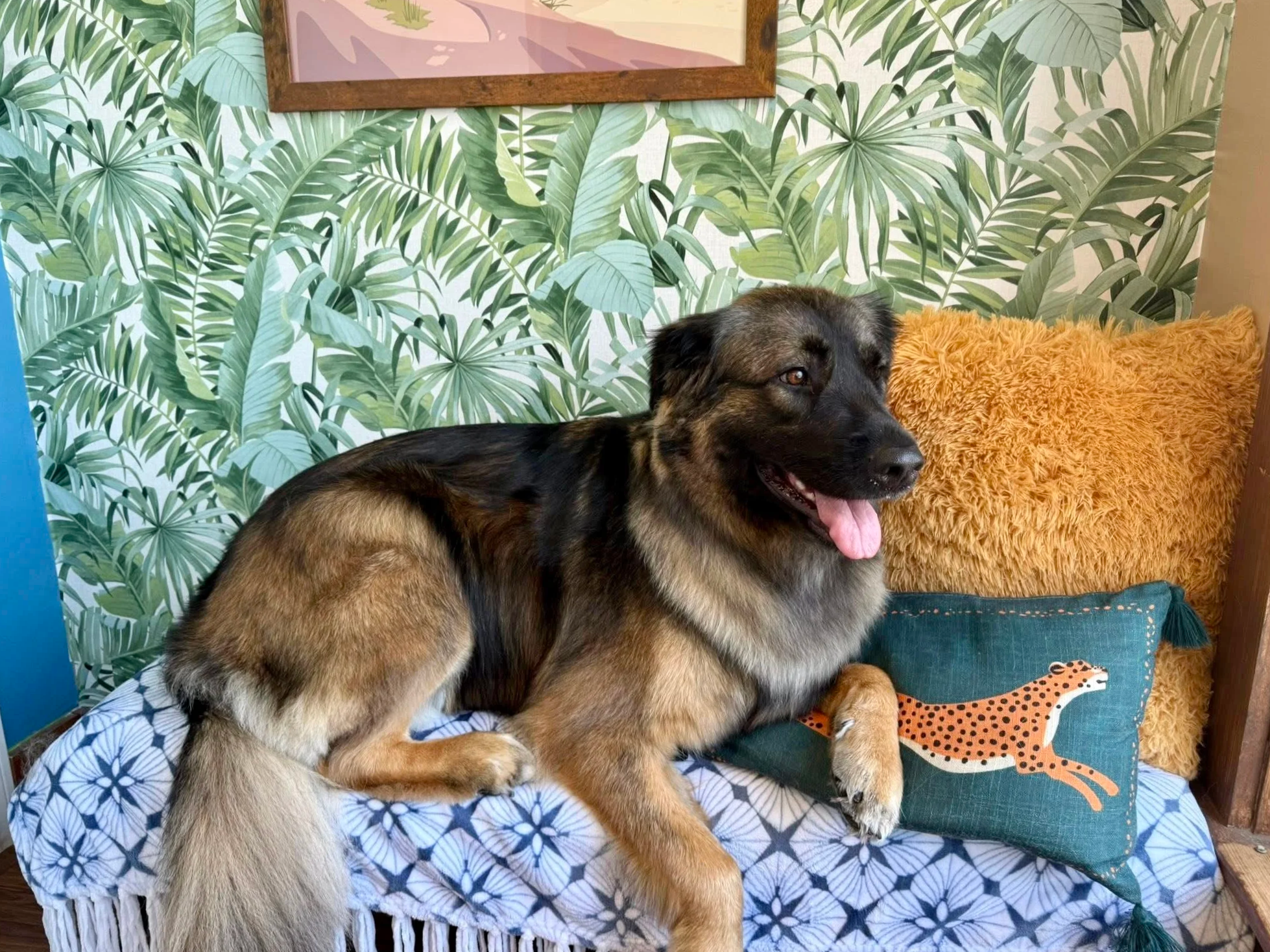
Nala is not leaving any fluff behind after her blowout
Seasonal coat blowing is a biannual event that occurs just before the vernal or spring equinox and hibernal equinox or winter solstice. As it is March we’ve arrived at this time and you’re probably seeing puffs of fur sticking out of your pup's coat or even falling on the floor. This fluff should be addressed before coat impaction occurs. Coat impaction is the result of continued growth of the undercoat becoming trapped in the guard hairs which leads to a solid mass of hair that is now exponentially more difficult to remove. It also makes it tough to get their coat back to proper health once this occurs. Undercoat needs to come out in order to allow for new growth and airflow. These pups are understandably high maintenance. They don’t have one coat. They have three. They no longer only reside in the north and south poles. We have introduced them to humidity and heat while expecting them to continue to regulate without shaving them down. Coat maintenance is key to a healthy triple coated dog. Along with daily brushing a regular salon visit is a good idea to help keep their coat and skin health under control.
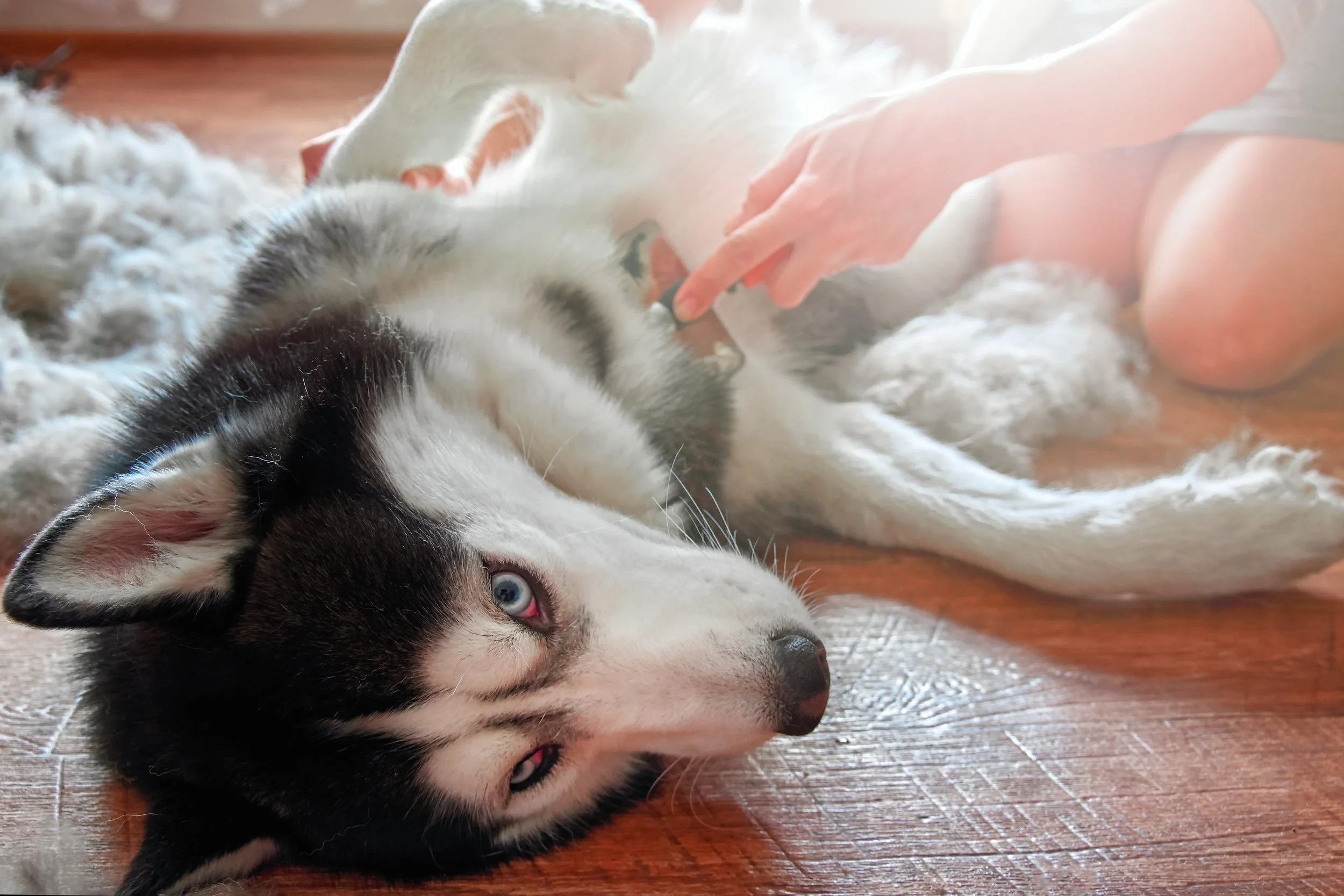
A good slicker brush with firm bristles is an excellent option for undercoat removal
We hear a lot of clients say that no matter how cold they keep their home, their double and triple coated dogs are always panting because they’re so hot. This leads to one of our most common requests. “Can you shave my (insert triple coated fluffball)? He’s so hot!” It’s ill-advised to shave a dog with an undercoat . Shaving in the wrong growth cycle can cause follicle death leading to alopecia. This is a risk I inform all of my clients of before moving forward. I have shaved triple coated dogs and I know it was in the best interest of the animal at the time. That being said, there are a lot of ways to maintain our pups' coats to help keep them from resorting to that measure. Daily brushing and conditioning helps our pups maintain a coat that allows maximum airflow and temperature control. Our dogs will constantly generate heat due to basic metabolic function so outside sources are just adding to their overall body climate. Regular sanitary trims will keep air flowing to vital areas such as their feet, bellies, and back legs. Removing topcoat in these areas will allow your pup to self regulate a little better. Regular brushing, which includes removing excess undercoat and debris, will also help protect your dog from overheating.
I will forever sing the praises of coat conditioning spray but never louder than for this breed. These sprays make brushing such a dense coat dramatically easier. Its important to keep our pup’s coat conditioned in order to remove as much friction as possible. Friction equals matting. Ignored undercoat overgrowth equals impaction. These issues severely affect your pet’s ability to maintain a comfortable temperature whether or not the weather is a factor. You can read more about coat conditioning spray and my recommendations in the article Matting Mysteries Detangled. You’ll find a great brush recommendation in HPG Product Recommendations.
Let’s briefly talk about what not to use on our double and triple coated dogs. In my opinion** There is absolutely no room in your grooming arsenal for a Furminator. A blade based brush is for carding and stripping. This type of “deshedding” brush suggests using sharp bladed teeth to remove undercoat. Since the teeth on a Furminator is essentially a carding knife we end up cutting and damaging the guard hair and undercoat. Instead I highly recommend the Zoom Groom or a pumice stone alongside a high velocity blow out when doing heavy undercoat removal. The Zoom Groom, created by KONG, is also great for daily maintenance and bath time. It allows you to grab excess undercoat and dead hair without damaging healthy layers. A high velocity dryer will be a lifesaver when working with a blowing coat. The force will push a lot of excess undercoat out before you begin brushing; saving you a lot of time and elbow grease.
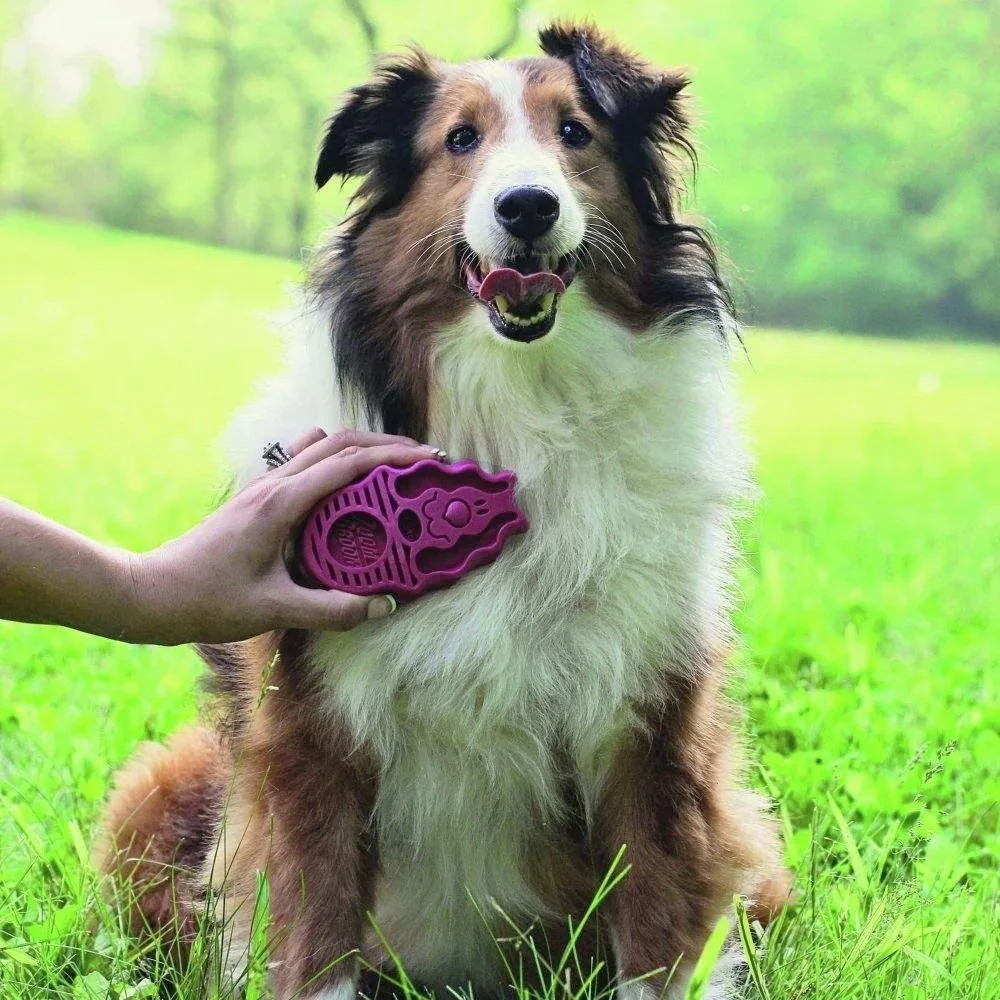
We use the Kong Zoom Groom at HPG; achieving stellar results
As the vernal equinox has made its appearance its time to address those tufts of fluff falling all around us. With our famous regional weather you’ll definitely have some warm days to take advantage of if you’d prefer to do a heavy de-shed outside. A professional blowout during the two equinoxes that occur each year are highly beneficial to your dog’s ability to regulate their temperature and for you to regulate your floor cleaning. We’ve recently invested in new high velocity dryers. HPG is now equipped with Challengair Extreme Animal Dryers. Our salon grade high velocity dryers have been a game changer during coat blow outs. We’ve seen a significant increase in removal from the dryer alone. It allows us to provide your pet with highly effective coat removal before and after their bath. We’re also absolutely obsessed with our shampoo and conditioning system that includes Omega 3 and 6 fatty acids as well as chamomile extract and vitamin E. Vital nutrients and natural hair strengthening properties make for a silky soft pup who feels and looks like a million bucks after their bath and blow out. Regularly scheduled blowouts will keep your triple coated loved ones comfortable and cuddly all year round. You’ll even get to cozy up during the equinox instead of vacuuming!
Happy Spring, Everyone!!
xoxo Britt